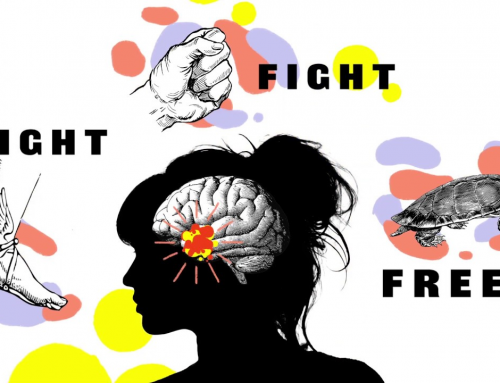
The social and economic uncertainty of recent years has begun to shake people’s psychology to its core. The search for change and novelty that once emboldened us has, today, curdled into uncertainty and the fear it breeds. As people struggle with external pressures—financial anxiety, unemployment, social unrest, ecological crises, disasters—they are also living through a quieter collapse within. So what does this collapse mean for brands?
Right now, a large part of society is focused on nothing more than getting through the day. Marketing professionals sometimes forget just how many people are living paycheck to paycheck—millions on or near the minimum wage, for whom “making it to the end of the month” is a genuine struggle rather than a figure of speech.
This financial and emotional erosion leads people to see their simple daily routines—habits once taken for granted—almost as luxuries. Holding on to a routine, once merely a list of “things to do,” has become a real source of gratitude. Seen through a psychological lens, the uncertainty, loss of control, and fear people feel make their “safe” moments more precious. The small, ordinary things done every day have turned into a modest psychological defense—an expression of the search for safety and relief. Think of a prisoner catching a moment of daylight, a new mother going to the mall on her own, or a night-shift worker finally sitting down with a coffee on their one free evening.
A Prolonged Crisis Breeds a Sense of Worthlessness
As this period drags on, however, a sense of worthlessness has begun to spread quickly through society. This inner loss leads people to question their own value. As individuals struggle to make sense of their presence and contribution in the outside world, that deficit deepens the emptiness within. Defined in psychology as “languishing,” this void leaves a person neither clinically depressed nor genuinely well—living an “in-between,” joyless kind of life. Its symptoms show up as stagnation, a lack of motivation, a feeling of aimlessness, and a flattening of emotion. As a consequence of shared societal shocks, this void gives rise to a “collective trauma” that affects not only the individual but the whole of society. The widespread anxiety, uncertainty, and sense of worthlessness push people away from one another, toward loneliness and ever-deeper isolation. And it is far harder to climb out of collective trauma alone. Brands, too, sometimes become part of the problem—papering over the situation with entertainment and turning into what we call Palliative Brands. Instead, a brand should remind people: You’re not alone; I’m in this with you. We all share the same uncertainty, the same anxiety, the same sense of worthlessness.
At this point, society needs to seek not a savior, but a shared effort to make meaning together. Looking for a savior figure can, when the search comes up empty, leave society even lonelier and feeling an even deeper void. Instead, holding on to one another, offering support, and strengthening our social bonds may be the most important steps toward getting through this period.
So how do we climb out of this mood?
The first step must be helping people feel valuable again. This is possible through simple but meaningful acts: knowing ourselves, recognizing our strengths, helping others. Filling those inner voids is not just an individual effort but a collective movement. Creating safe spaces that ease anxiety and uncertainty can bring people together. Filling this emotional void together, and rebuilding hope, may be the key to emerging from this state of mind.
How can brands contribute?
People are searching for new meaning and reassurance to lift themselves out of the mood they are in. In this period, brands can develop meaningful communication that genuinely adds value. When a brand builds campaigns that support social solidarity, inspire trust, and carry positive messages, it can help people feel they are not alone. Brands that are supportive, empathetic, and understanding can form stronger bonds with their audiences during this time. Speaking not only to people’s material needs but to their emotional ones will make brands more valuable through this period of social transformation. Brands cannot be “saviors,” but by touching the mood of society they can play an important role. As people wrestle with inner voids and uncertainty, brands can act as a kind of “guide”—strengthening social bonds by offering meaningful communication and services that reassure, support, and make people feel valued. Thoughtful campaigns, social-responsibility projects, and an empathetic approach can turn brands into a genuine source of encouragement. In the end, by fostering social solidarity, brands can soften the harsher effects of this era and help people feel that they are not alone.