At Goodjob Human Insight & Brand Strategy, in a study we carried out in July 2020 — moderated by our clinical psychologists, our subconscious specialists, and our insight specialists — we set out to examine the effects of the Covid-19 outbreak on the working population, looking at the experience of being confined at home during lockdown and, for the first time, working from home en masse. We surfaced the results in employees’ shifting approaches to life and work, the transformations in their personal values, the new traits they gained, and the ways they coped with the process — shaped both by what they took from their companies and by the new awareness and experiences they had with their colleagues.
WE CONFRONTED THE REALITY OF DEATH
The anxiety created by the reality of death is always present within us. But we learn to live with it. When we add meaning to life, our very existence gains meaning too. In today’s modern society, work seems to have shaken human life profoundly — both in terms of time and of substance. The first of these shocks reminds us, every single day, of the reality of death that we want to forget and constantly try to ignore (for ourselves and our loved ones). We suddenly found ourselves in a world where death tolls were tracked like a stock exchange — and on a scale that covered the whole planet. Alongside that, the reality of death took hold of us through its stories. By hearing of the deaths of first- and second-degree relatives and of healthcare workers, we were constantly reminded — and are still reminded — that death is very possible for everyone.
The second thing Covid-19 shook is the meaning of work — which plays a great role in giving employees’ lives meaning and fills a large part of daily life. Because the pandemic shook ways of working and the work–life balance, this branch that employees held onto was badly shaken too.
WE REALIZED WE ARE HUMAN
For many employees, the pandemic led to new searches for meaning. It made us stay alone with ourselves. In doing so, employees reassessed the things in their lives in order of importance. We can express this effect under three main headings.
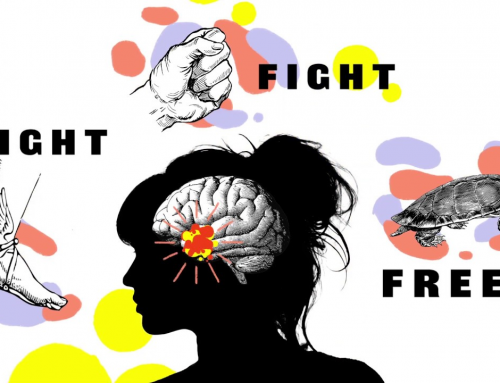
We addressed the first effects of the outbreak, the course it might take, and the three types of human behavior that developed in response, in our first study. There we explained why some people, under the pressure of the pandemic, stocked up on toilet paper, why others ignored the outbreak, and why still others simply took off and fled.
During lockdown, the restriction of freedom and the limits placed on outside life created — in almost all participants — an effect of turning inward, setting out on an inner journey, and entering into existential questioning.
With behavior developed against the outbreak, the easing of initial worries, and the relief of fears about being laid off, this inward turn appeared once people had grown used to the process — and with it came the surfacing of suppressed emotions, passions, and dreams. We witnessed people reassessing the repeating cycles, the unreciprocated sacrifices, and the toxic relationships in their lives. By the end of the struggle to fight and cope with the crisis of Covid-19, and of the inner journey they went through, we observed in participants an effort to make life meaningful again and a tendency to review their personal values.
Personality-Transforming Effects and Their Gains
- Increased self-confidence
- Psychological flexibility and resilience
- Valuing oneself
- Setting boundaries; being able to say no and to reject impositions
- Building empathy
- Maturing
- Sincerity, authenticity, “realness”
- Becoming more original
Value-Transforming Effects and Their Gains
- Not procrastinating
- Living in the moment
- Taking pleasure in life
- Understanding the value of time
- Appreciating what one has
- Valuing health
- Valuing family bonds
- Questioning patriarchal values
- Creating alternative ways of living
From Now On, I…
When we examine these tendencies together with participants’ new decisions from the Covid-19 period and the phrases completing sentences that begin “From now on, I…” or “From here on, I…,” we see that the Covid-19 lockdown period created effects that transformed both personality traits and personal values. These effects and the gains that came with them can be summarized as follows:
A life in which I am stronger:
- …I will live by my own truths!
- …I will be a more confident, enterprising person!
- …I will confront my weaknesses!
- …I will be a more mature, aware person!
A life in which I am happier:
- …I will not dwell on anything!
- …I will remove the things that upset me from my life!
- …I will not be saddened by trivial things!
- …I will know the value of my health!
- …I will not complain about anything!
- …I will say I am human, not a machine!
A life in which I value the moment more:
- …I will not put anything off!
- …I will know the value of time!
- …I will savor the time I spend!
- …I will not make only long-term plans!
- …I will put my plans into action!
- …I will know that death will come sooner or later!
A more balanced, serene life:
- …I will spend more time in parks!
- …I want a life with my feet on the ground!
- …I will be calmer and will not rush!
- …I will find an alternative idea of living!
- …I will not insist on going down one single road!
A life with better relationships:
- …I will be a more social person!
- …I will try not to break hearts!
- …I will spend more time with my family!
- …I will spend quality time with my loved ones!
The Growing Importance of Family and Relationships
During the pandemic, with older family members at greater risk and with a widely felt sense of isolation, the importance of family grew for employees. The Covid-19 lockdown period first led families who had long been unable to spend much time together to devote full, rich time to one another and to share life. On top of that, the fear of losing loved ones that came with the threat to health and life is observed both to have deepened partners’ relationships with each other and their children and to have strengthened extended-family bonds. Among those living alone, too, earlier preferences leaning toward greater individualism are observed to have given way to a turn toward family and to a tendency to internalize and embrace relationships that had been maintained merely out of duty.
“You are cool-headed; you find yourself thinking, what would I do if something happened to you? I thought of my mother, my father, my two nephews; I worried a great deal for everyone.” — Woman, Couple
“The best part was seeing my daughter walk and hearing her talk. The best part was being together with family — being able, somehow, to have breakfast with the family all at the same time.” — Man, Extended Family, Team Leader
“We turned back toward family more; people had been drifting toward a more individual life and the bonds had weakened. I don’t even know whether that was right, but we returned a little more to family, to our strong bonds; and that is a good thing.” — Woman, Living Alone